In recent years, LED bulbs have become increasingly popular for their energy-efficient qualities. People often wonder, "How do LED bulbs save energy compared to traditional bulbs?" The answer lies in their design and technology. LED bulbs use a semiconductor to convert electricity into light, which is more efficient than the filament used in incandescent bulbs.
LEDs consume up to 80% less energy than incandescent counterparts. This is a significant reduction that can lead to lower energy bills. In addition, they last much longer, offering a lifespan of about 25,000 hours, compared to just 1,000 hours for traditional bulbs. However, it is important to consider the initial cost of LEDs. They are more expensive upfront but save money in the long run.
Despite their advantages, some consumers still prefer traditional bulbs. The warm glow of incandescent light can feel more inviting. Yet, as the world moves toward sustainability, the benefits of LEDs cannot be ignored. Understanding "How do LED bulbs save energy compared to traditional bulbs?" is essential for making informed lighting choices that align with energy conservation goals.
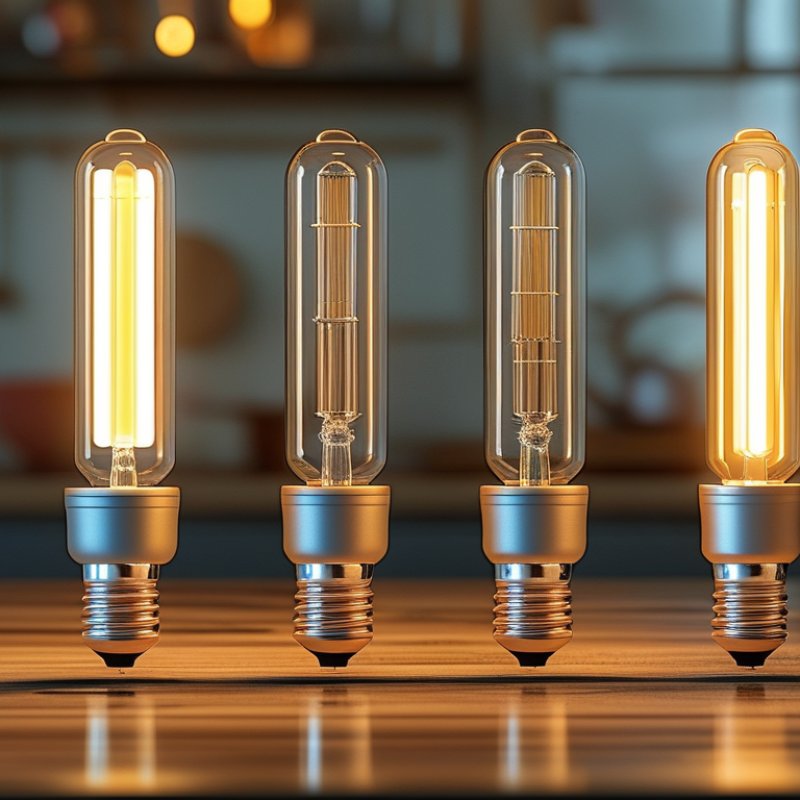
Understanding Energy Consumption in Lighting Technologies
LED bulbs are increasingly popular due to their energy efficiency. They consume up to 80% less energy than traditional incandescent bulbs. This significant reduction in energy usage translates to lower electricity bills and less strain on power grids. Understanding how these technologies operate helps consumers make informed decisions.
LEDs use solid-state technology. This allows them to generate light without the heat loss typical of older bulbs. Traditional bulbs waste a lot of energy as heat. In contrast, LEDs convert most energy directly into light. This makes them cooler to the touch and safer for environments with children or pets.
Tips: Consider using LED bulbs in frequently used fixtures. This can lead to substantial savings over time. Also, always check the wattage equivalent when shopping for LEDs. You might think they are more costly upfront. However, the long lifespan and reduced energy costs more than compensate for the initial price. Remember, switching to LED is a small change that makes a big impact on your energy consumption.
Comparing LED Bulbs to Traditional Incandescent and CFL Bulbs
LED bulbs have revolutionized the lighting industry, offering substantial energy savings compared to traditional incandescent and CFL bulbs. According to the U.S. Department of Energy, LED bulbs use at least 75% less energy than incandescent bulbs and last 25 times longer. This impressive lifespan translates into fewer replacements and less waste over time. It's worth noting that while CFLs are also more efficient than incandescent bulbs, they generally consume about 70% less energy. However, they don’t match the longevity or safety of LEDs.
In practical terms, switching to LED technology can significantly lower electricity bills. For example, a typical LED bulb emitting 800 lumens uses about 10 watts. In contrast, an equivalent incandescent bulb uses around 60 watts. Over time, this savings adds up. Families can save an average of $225 over the life of a single LED bulb. Despite these benefits, some consumers hesitate due to higher upfront costs.
While LEDs are energy-efficient and have lower operational costs, there are concerns about light quality and environmental impact. Some LED products may emit harsh light tones, which can be unfavorable in certain settings. Additionally, the manufacturing of LEDs involves some hazardous materials. Ongoing research is necessary to address these issues while maximizing the advantages of LED technology.
The Efficiency of LEDs: How They Convert Energy into Light
LED bulbs represent a significant advancement in lighting technology. They convert energy into light with remarkable efficiency. Traditional bulbs waste a lot of energy as heat. In contrast, LEDs emit light through a process called electroluminescence. This means they utilize most of the energy for illumination, not heat. For instance, an LED bulb can produce the same brightness as a conventional bulb while using 75% less energy.
The long lifespan of LEDs contributes to their energy efficiency. Many LED bulbs last up to 25,000 hours. This is notable when compared to standard incandescent bulbs, which may only last about 1,000 hours. Additionally, the ability to dim LED lights also helps in energy savings. When dimmed, they use even less power. However, it is essential to consider that not all LED products are created equal. Some may not offer the same quality of light, and there can be variability in initial costs. The market is evolving, and finding reliable options can sometimes be challenging.
LEDs also generate less heat, contributing to lower cooling costs in spaces where they are used. This indirect saving is often overlooked. Still, it is an important factor in energy conservation. Understanding these nuances is crucial for making informed decisions about lighting solutions in both homes and businesses.
Heat Production: The Impact on Energy Loss in Bulbs
Heat production is a crucial factor in energy loss when comparing LED bulbs to traditional incandescent bulbs. Incandescent bulbs convert only about 10% of the energy they consume into light. The rest, a staggering 90%, is wasted as heat. This inefficiency not only contributes to higher energy costs but also raises ambient temperatures in living spaces.
In contrast, LED bulbs are designed to minimize heat output. They convert approximately 80% of the energy into light, drastically reducing heat waste. A report by the U.S. Department of Energy states that LEDs can last up to 25,000 hours, far exceeding the lifespan of incandescent bulbs, which typically last around 1,000 hours. This significant lifespan translates to fewer replacements and less waste over time, proving their long-term benefits.
However, it's important to recognize that the initial cost of LED bulbs can be higher. This might discourage some users from making the switch. Additionally, while LEDs have much lower heat emission, they still emit some heat, which can impact performance if not properly managed in enclosed fixtures. Recognizing these limitations can guide consumers toward making informed choices for energy efficiency.
Longevity and its Role in Overall Energy Savings of LED Bulbs
LED bulbs offer impressive longevity, which significantly contributes to their energy-saving advantages over traditional bulbs. A standard LED can last up to 25,000 hours, while incandescent bulbs typically last only about 1,000 hours. This remarkable lifespan reduces the frequency of replacements, translating to fewer resources spent on manufacturing, packaging, and transportation.
Reduced waste is an important aspect of energy savings. Each LED bulb consumes less energy over its lifetime, meaning lower energy bills for consumers. However, the initial cost of LED bulbs can be daunting. People often hesitate to switch due to higher upfront expenses. Yet, when considering the total lifespan and energy savings, the investment often proves worthwhile.
Moreover, there are still ongoing debates around the recycling of LED bulbs. While they last longer, improper disposal can lead to environmental issues. Therefore, it's essential to create awareness about proper disposal methods. By considering longevity along with responsible disposal, we can fully appreciate the role LED bulbs play in energy savings and sustainability.
FAQS
: LED bulbs use 75% less energy and last 25 times longer than incandescent bulbs.
Incandescent bulbs waste about 90% of energy as heat, making them inefficient.
Yes, some LEDs may emit harsh light tones that aren't suitable for all environments.
Switching to LED bulbs can save families about $225 over the bulb's lifespan.
The higher upfront cost can make some consumers hesitant to switch.
LED production may involve materials that have environmental and safety concerns.
Yes, while they produce less heat than incandescent bulbs, LEDs still emit some heat.
LED bulbs can last up to 25,000 hours, offering long-term use compared to traditional bulbs.
Enclosed fixtures can trap heat, potentially affecting LED performance if not managed properly.
Yes, research can help address quality and environmental concerns while enhancing their benefits.
Conclusion
LED bulbs are revolutionizing energy consumption in lighting by significantly outperforming traditional incandescent and CFL bulbs. One key reason is their efficiency in converting energy into light; LED technology allows for a much higher percentage of energy utilization, resulting in less wasted electricity. This is particularly important when considering how do LED bulbs save energy compared to traditional bulbs, as the latter often lose a significant amount of energy as heat.
Additionally, the longevity of LED bulbs plays a crucial role in their overall energy savings. With a longer lifespan, these bulbs require less frequent replacements, reducing both material waste and the energy involved in manufacturing and transporting new bulbs. The combination of superior energy conversion and extended operational life ultimately positions LED bulbs as a more sustainable and economical choice for consumers seeking to decrease their energy usage in lighting applications.

 Luma Bulb